NVIDIA AI Chips Explained: Types, Features, and Applications (2026 Guide)
Updated: October 2026 | PowerTechGuide Artificial intelligence is transforming cloud computing, robotics, healthcare, autonomous vehicles, scientific research, and industrial automation. At the center of this transformation is NVIDIA, a leading developer of GPUs and accelerated computing platforms. However, not all NVIDIA AI chips are designed for the same purpose. Some are optimized for training massive […]
How to Select and Install a UPS System: Sizing and Runtime Guide
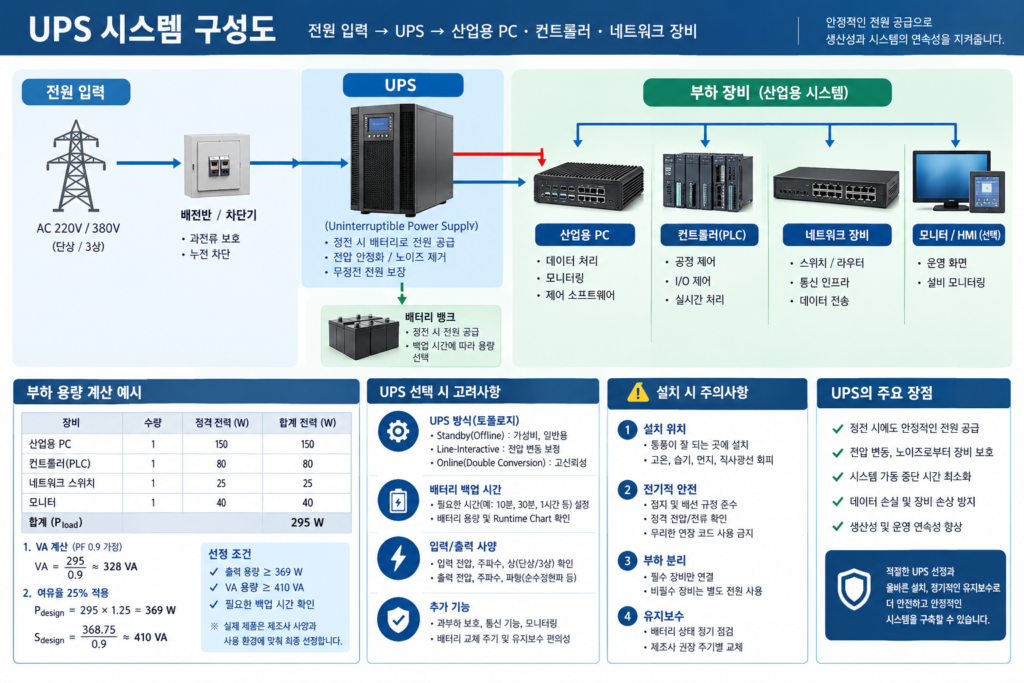
how-to-select-install-ups-system
Essential Electronics Lab Equipment for Development and Testing
How to Build a Practical Electronics R&D Lab on a Budget Developing an electronic product requires more than designing a circuit and writing firmware. Engineers must measure electrical signals, verify power supplies, debug communication interfaces, evaluate PCB performance, and test the product under different operating conditions. For individual engineers, independent developers, startups, and small engineering […]
Best Oscilloscopes for MCU, PWM, SPI, and UART Debugging
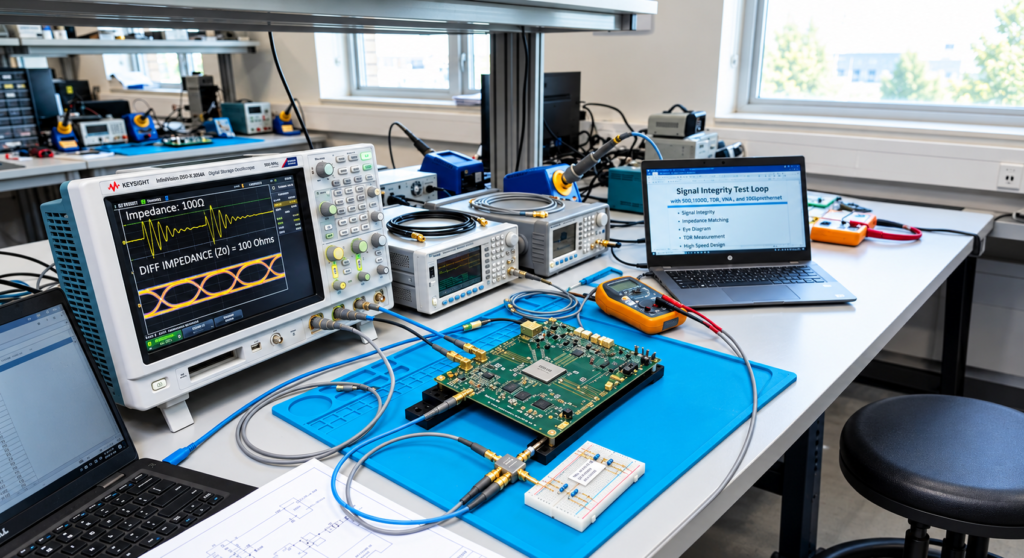
A Practical Guide for Embedded Systems Engineers When developing embedded systems, an oscilloscope is more than a tool for measuring voltage. It helps engineers identify startup failures, unstable reset signals, incorrect PWM timing, serial communication errors, and power-supply noise. For projects involving microcontrollers, LCD interfaces, PC communication, and high-speed control signals, choosing the right oscilloscope […]
Best Oscilloscopes for Electronics Engineers: Personal Use vs. Professional Lab Equipment
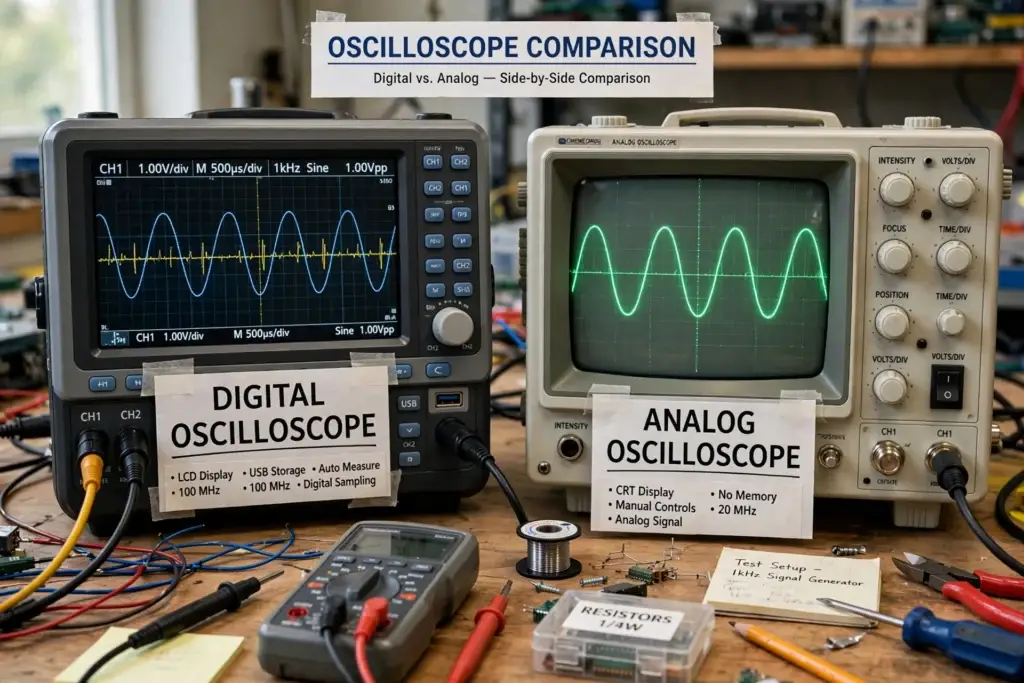
Introduction An oscilloscope is one of the most important instruments for electronics engineers. It allows you to observe electrical signals over time and investigate problems that cannot be diagnosed easily with a digital multimeter alone. Whether you are a hobbyist building electronic circuits, an embedded engineer debugging a microcontroller, or a professional working in an […]
Multicore Embedded System Design Using NXP MPC5748G
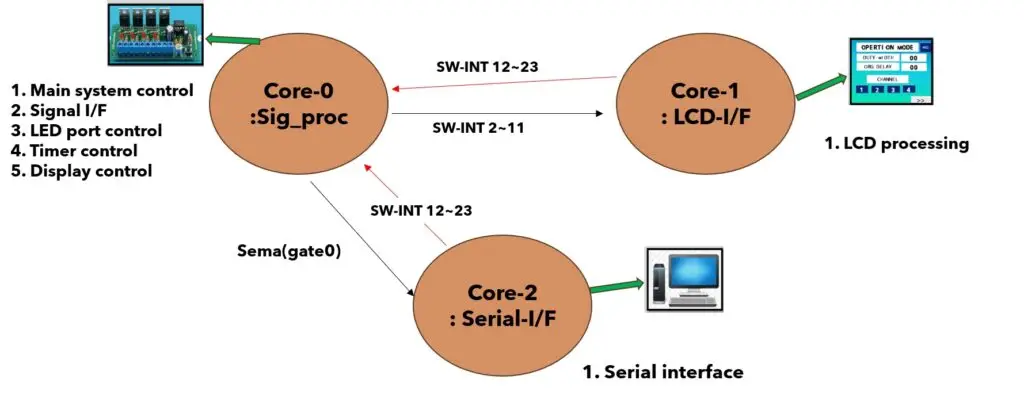
Introduction Modern embedded systems often need to perform several tasks simultaneously. A controller may need to process input signals, update an LCD, communicate with a PC, and maintain reliable control timing. Running all these functions in a single software execution path can make firmware more difficult to organize and maintain. A multicore microcontroller provides an […]
High-Speed LED Strobe Controller Version-Up: MPC5744P-> MPC5748G, Lattice CPLD, SIO, and Extended Duty/Clock Range
Introduction High-speed LED strobe controllers are widely used in machine vision, industrial inspection, optical measurement, and automated manufacturing systems. In the original design, I developed a high-speed LED strobe controller using an NXP MPC5744P microcontroller, Lattice CPLD, TFT display, and high-speed line-driver switching device. As system requirements increased, the controller was upgraded from the MPC5744P to […]
High-Speed LED Strobe Controller Design: NXP MPC5744P, Lattice CPLD, and Line Driver Switching
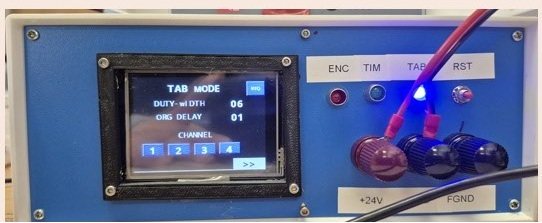
Designing a high-speed LED strobe controller requires more than simply turning an LED on and off. When an LED must be switched at high speed and synchronized with an external system, the controller needs accurate timing, fast digital logic, stable power, appropriate switching devices, and careful signal-integrity design. In one of my real-world engineering projects, […]
PCB EMI Troubleshooting: How to Find and Reduce Electromagnetic Noise
Electromagnetic interference, or EMI, is one of the most common problems engineers encounter when developing electronic and industrial control systems. A PCB may work perfectly on the laboratory bench but begin to experience communication errors, unexpected resets, sensor noise, or intermittent operation after it is installed inside a machine. Why does this happen? The problem […]
PCB Ground Design: How to Reduce Noise, EMI, and Ground Bounce
Introduction One of the most important parts of PCB design is also one of the most frequently misunderstood: Ground. Many engineers initially think of ground as simply a connection to 0 V. In a real PCB, however, ground is also a current-return path. When current flows through a PCB trace, plane, via, connector, or cable, the resistance […]