Introduction
Severe weather, such as lightning strikes, thunderstorms, and power outages, can cause unstable power conditions that may damage sensitive electrical and electronic equipment.
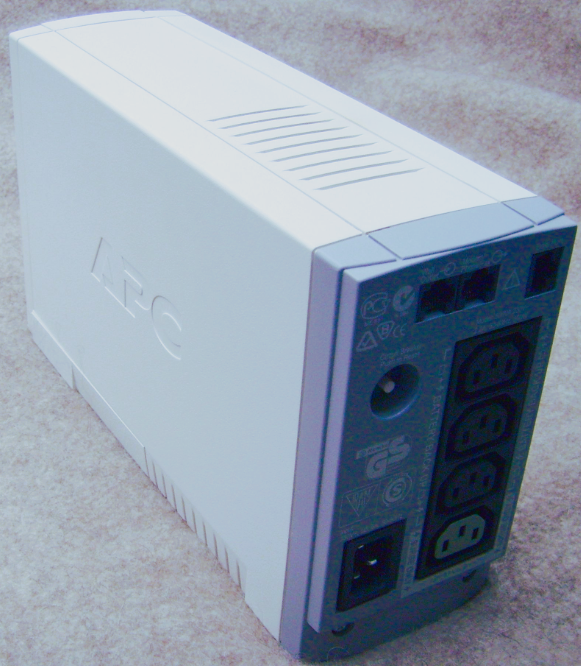
One effective solution is to use a UPS (Uninterruptible Power Supply) to provide backup power and protect equipment from power disturbances.
Before selecting a UPS, however, we need to understand the key factors that determine the right product for your system.
What Factors Should We Consider When Selecting a UPS?
1. Load Capacity
How much power does your equipment require?
2. VA vs. Watts
What are the actual power and apparent power requirements of your equipment?
3. Backup Time
How long should the system continue operating during a power outage?
4. Power Quality
Can the UPS handle voltage fluctuations, surges, brownouts, and other power disturbances?
5. Surge Protection
How well does the UPS protect your equipment from electrical surges caused by lightning and other events?
6. UPS Topology
Should you use a Standby, Line-Interactive, or Online UPS?
7. Battery Type and Life
What type of battery does the UPS use, and how long is its expected service life?
8. System Reliability
Is the UPS suitable for continuous operation or critical applications?
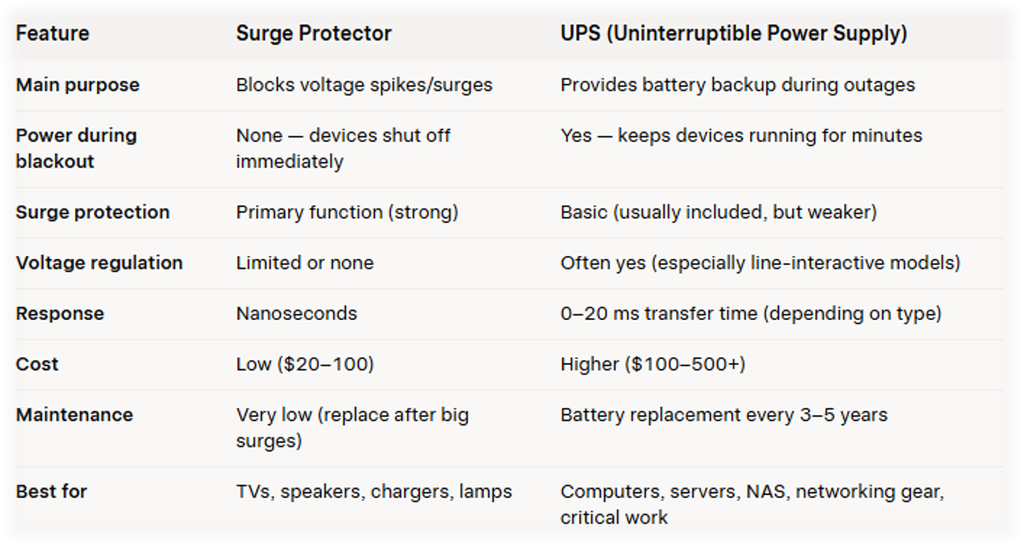
UPS vs. Surge Protector
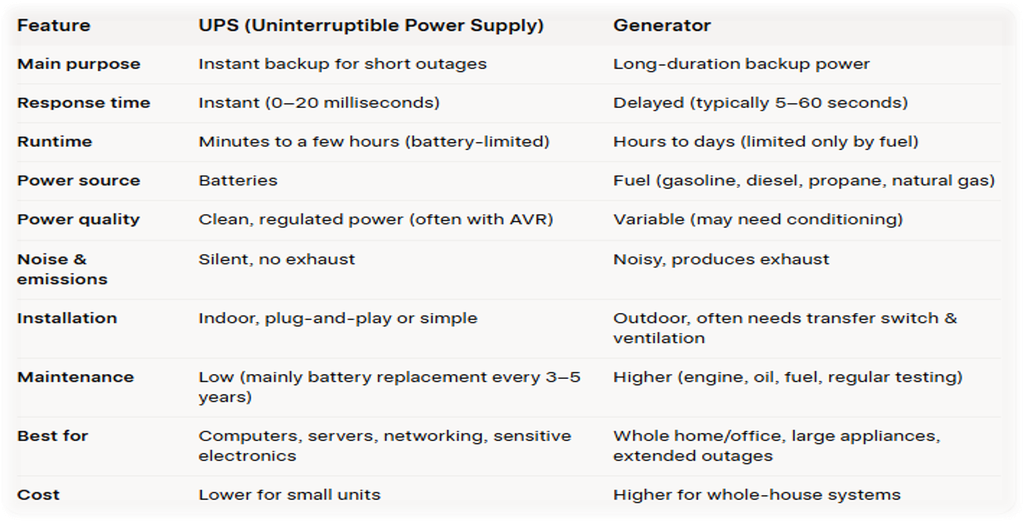
UPS vs. Generator
How to Choose the Right UPS
Choosing the right UPS is not simply about selecting the highest VA rating.
The UPS should be properly matched to:
- Equipment power requirements
- Required backup time
- Power quality
- Operating environment
- Required level of protection
- System reliability
Conclusion
A properly selected UPS can help protect sensitive electronic equipment and maintain system operation during unexpected power disturbances.